
In the world of modern architecture, magic goes by a very specific name: the render. Yet, behind the software, the pixels, and the latest-generation computers, there is always the eye, the sensitivity, and the talent of a professional.
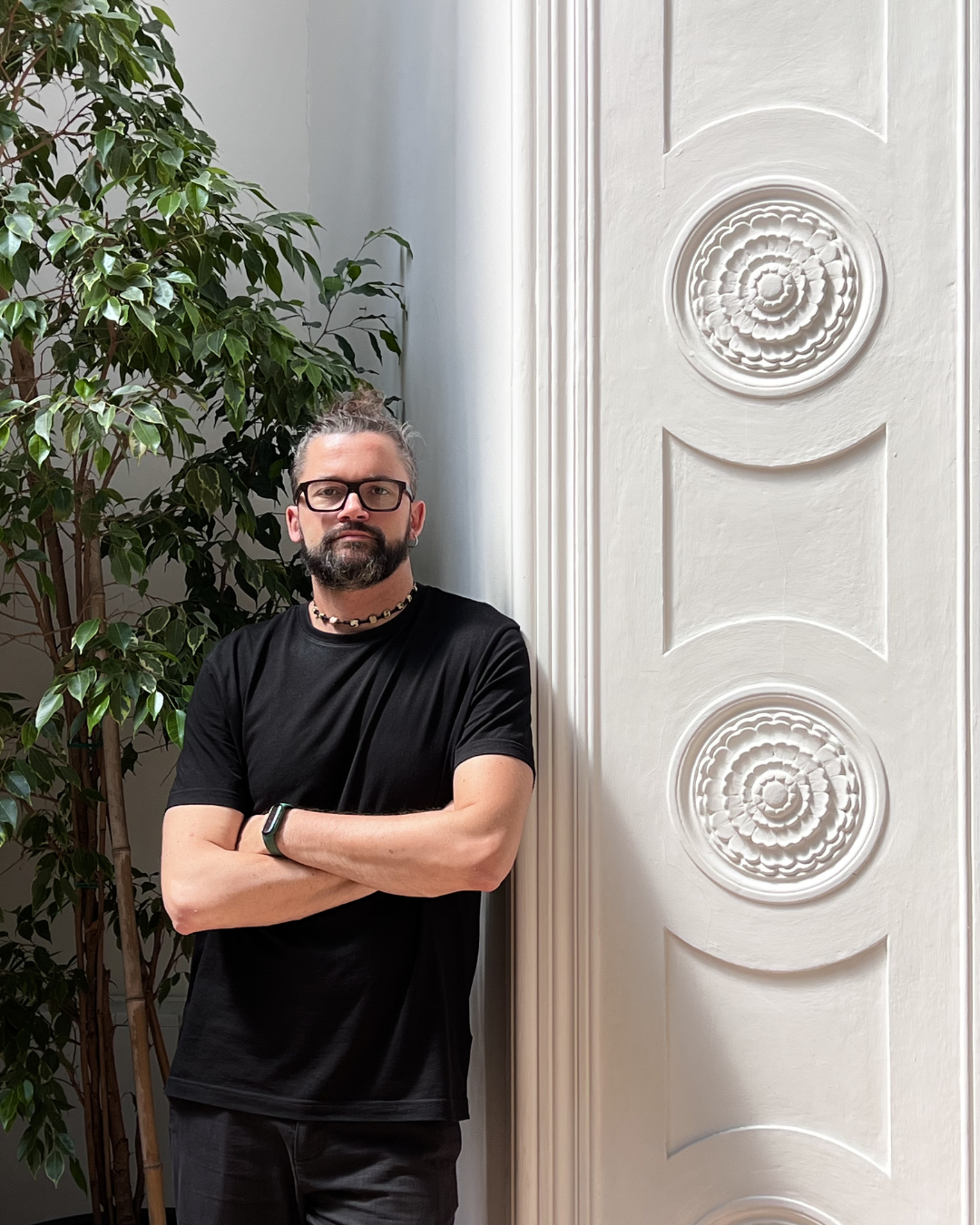
Today, we are taking you behind the scenes of our studio to introduce you to Davide Ignomiriello, our 3D Artist. He is the person who quite literally brings “light and life” to our projects long before the first bricks are even laid. We sat down for a chat with him to find out what goes on inside his computer—and his head—when he creates his digital wonders.
Oltre il semplice termine "renderista": a cavallo tra arte e tecnica!
Spesso, nel settore dell'architettura e del design, si usa un neologismo: "renderista". Un termine che per i non addetti ai lavori suona quasi misterioso, super tecnico, evocando strane nicchie di operai specializzati o addirittura aiuti elettricisti. Ma questa definizione rischia di far passare questa professione come un ruolo puramente esecutivo e tecnico.
"Potremmo chiamarci grafici 3D, o 3D modeling and visualization specialists. La verità, però, è che nessuna di queste etichette riesce a racchiudere un ruolo così complesso, che si colloca a cavallo tra arte e tecnica", spiega Davide. "Non è possibile sfornare un buon render senza una conoscenza specifica degli strumenti tecnici, ma allo stesso modo non è possibile farlo senza sensibilità artistica."
Il Retail nel lusso: la cura "chirurgica" del dettaglio.
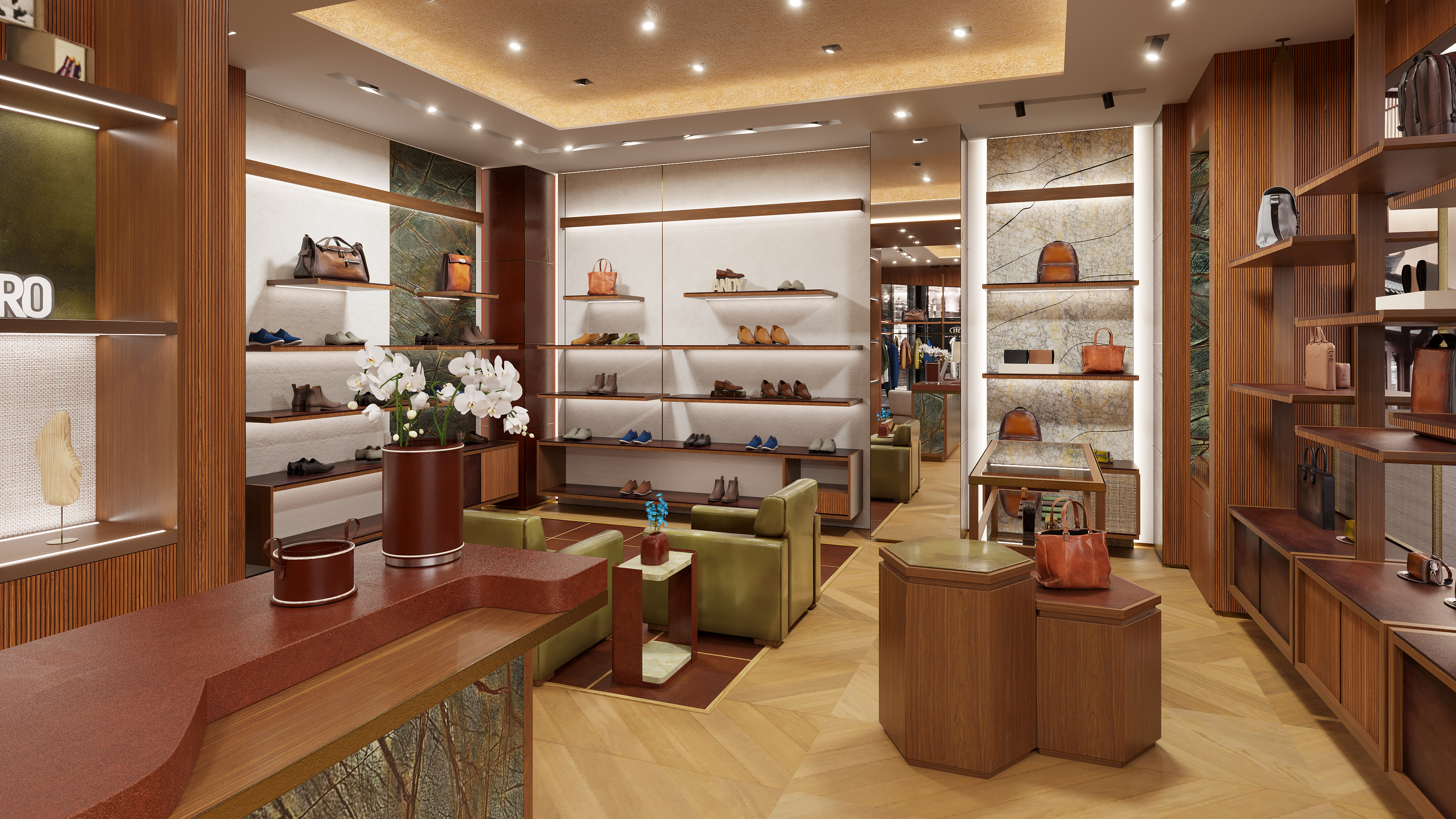
Quando si progetta per i grandi brand dell'alta moda, l'architettura non è mai un guscio vuoto. Al contrario, la merce esposta è importante tanto quanto il design stesso dello store. Per questo, una delle operazioni più delicate e "chirurgiche" del workflow di Davide è proprio l'inserimento digitale dei prodotti sugli scaffali.
Non si tratta solo di riempire uno spazio vuoto. Ogni borsa, ogni abito, ogni accessorio deve dialogare con l'arredo circostante, rispettando lo stile del brand e trovando un'armonia cromatica perfetta tra vuoti e pieni. È un lavoro di altissima precisione che rappresenta l'ultimo, fondamentale step prima della consegna, richiedendo spesso uno o due giorni di lavoro interamente dedicati a curare il "dettaglio merceologico".
Ci è venuta poi una curiosità, e abbiamo chiesto a Davide, Se il tuo render fosse l'inizio di un film, quale sarebbe la prima inquadratura che sceglieresti per far innamorare un visitatore di quel brand?
Davide non ha dubbi e ci invita a pensare al celebre intro cinematografico della 20th Century Fox: quel logo maestoso in 3D che non ti svela nulla della trama, ma ti dice "Hey, mettiti comodo, stai per guardare qualcosa di epico".
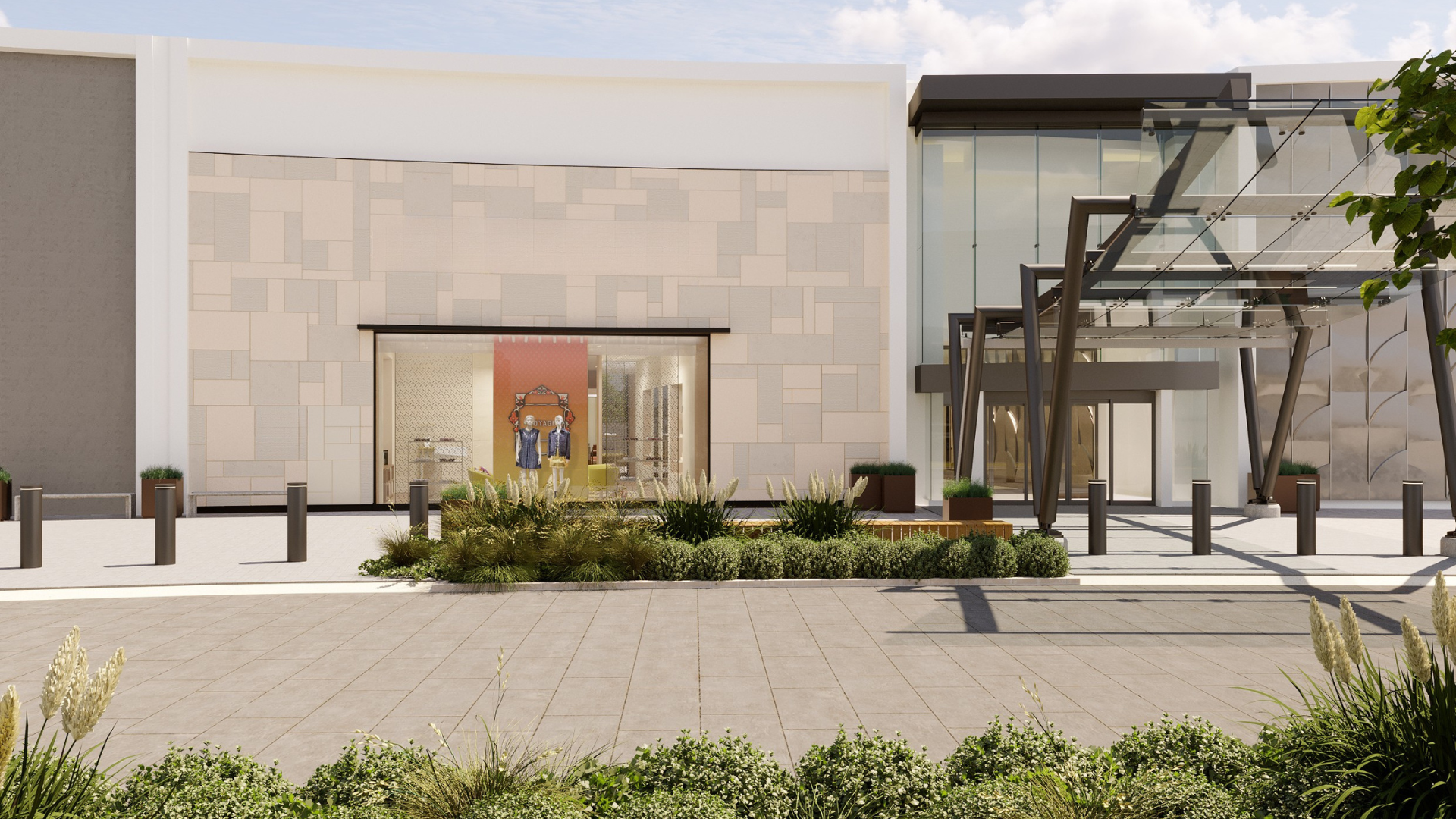
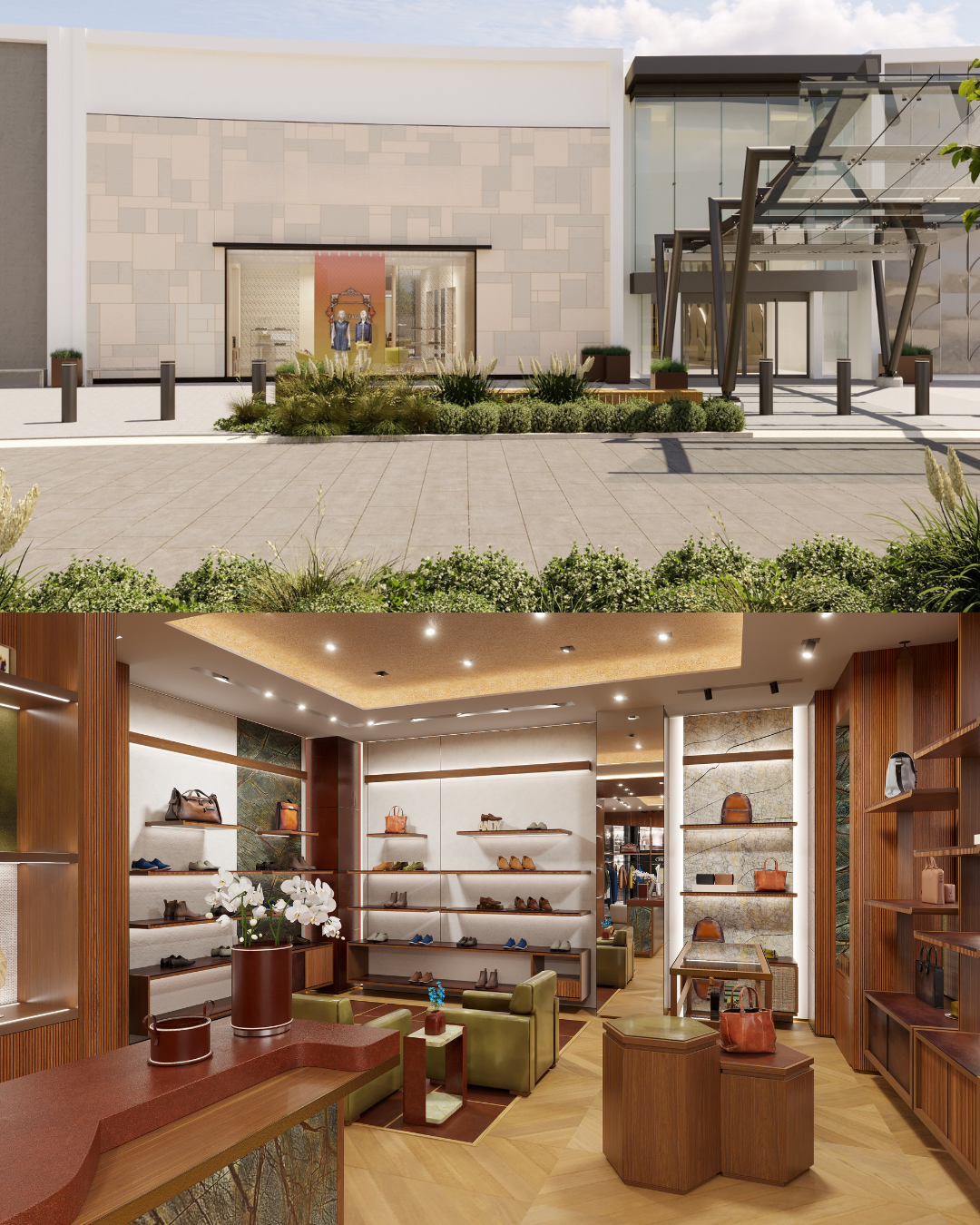
Nel mondo del retail, quell'intro è la facciata dello store. I brand dedicano un'enfasi enorme al design delle facciate perché rappresentano il ponte ideale tra la strada e l'interno del negozio. Per questo, l'inquadratura perfetta è quella che mostra la facciata esterna, catturando la relazione esatta tra l'identità del brand e il contesto urbano circostante. È il primo invito a entrare.
Arriviamo adesso al momento in cui il progetto sta per essere ultimato. Qual è la sensazione più bella che provi quando, a distanza di mesi, vedi la foto del negozio finito?
La soddisfazione più grande per un 3D Artist arriva a distanza di mesi, quando le foto del negozio reale, ormai costruito e inaugurato, mostrano che quell'atmosfera era già stata catturata perfettamente nei nostri render.
È in quel momento che si comprende il valore reale di questo lavoro. "Un negozio non vedrebbe mai la luce senza un buon render che comunicasse a dovere l'idea del designer, quindi sento di poter affermare che ciò che fisicamente osserviamo negli spazi commerciali esiste anche grazie al lavoro del renderista, esattamente alla pari del montatore, del lighting designer, del project manager e così via. Comprendere questo significa comprendere che quello che facciamo non è solo restituire un'immagine bella ed accattivante, ma raccontare una storia." afferma Davide, che poi aggiunge "Siamo quasi dei copywriter al servizio del progettista".
Il render deve rispondere a domande precise: cosa vogliamo comunicare? Dove vogliamo indirizzare l'attenzione del cliente? Quali emozioni vogliamo suscitare? Quando il progetto viene confermato, significa che la storia ha funzionato.
L’ultima domanda è soggettiva ma molto indicativa del lavoro di un 3D Artist. Se dovesse descrivere il suo lavoro con un solo aggettivo, Davide sceglierebbe "visionario", nel senso più letterale del termine. Prima ancora di toccare il software, l'immagine deve essere visualizzata chiaramente nella mente. In conclusione "Visualizzare quindi una fotografia prima mentalmente, facilita il raggiungimento dell'obiettivo. Dopo si tratta di trovare la giusta tecnica per arrivarci, con prove su prove ed anche un po' di astuzia, per aggirare gli inevitabili limiti del software."
Grazie a Davide per averci aperto le porte del suo mondo artistico!