
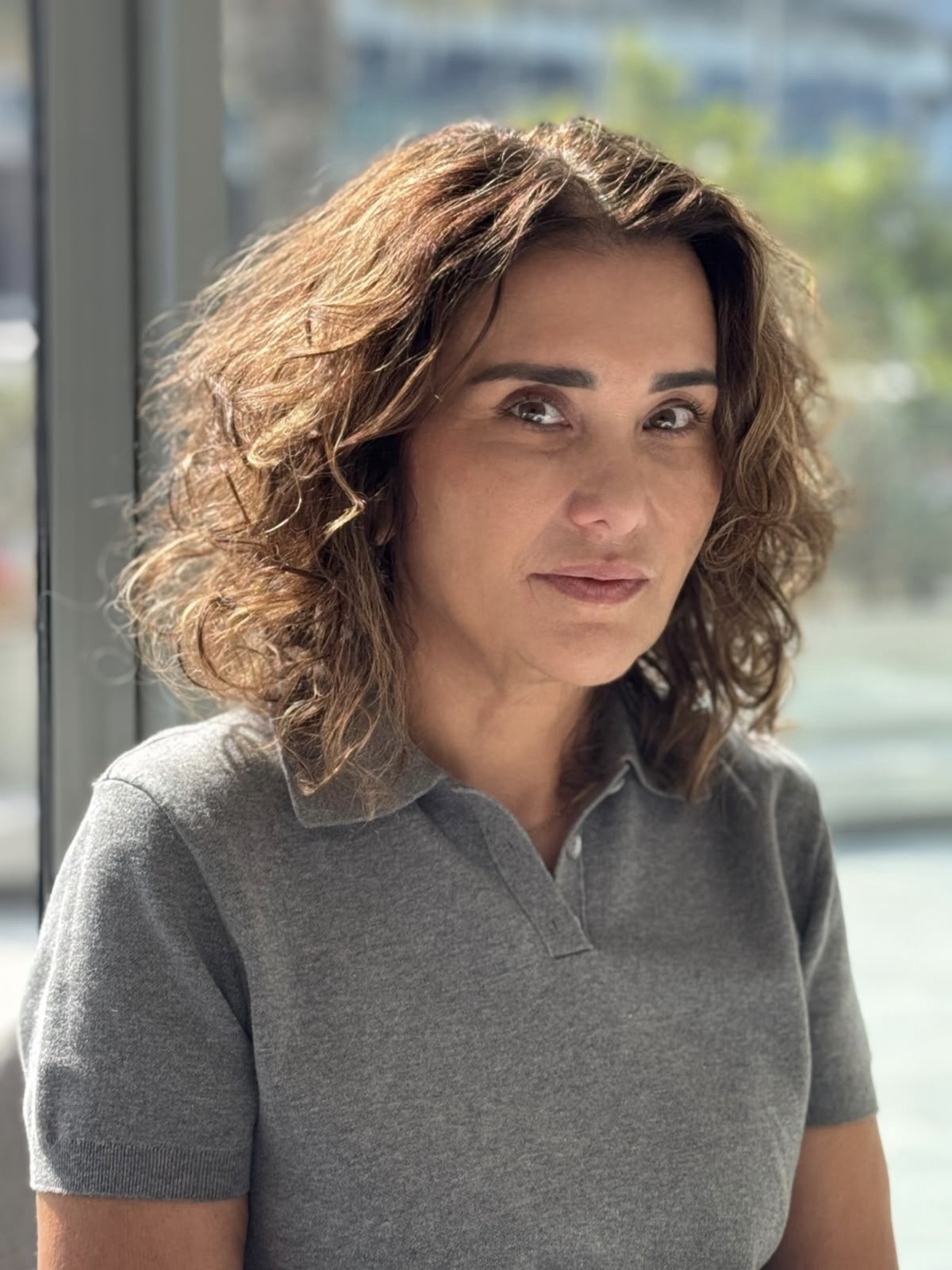
In this interview, we speak with Cristina Crippa, owner of a Middle East-based company specializing in Local Architect and Project Management services, which SBTT supports as a consultant. Together, we explored the industry’s key challenges, the added value of locally rooted support, and the synergies that turn complex projects into tangible realities.
What has been the most noticeable difference you’ve observed compared to working in Europe?
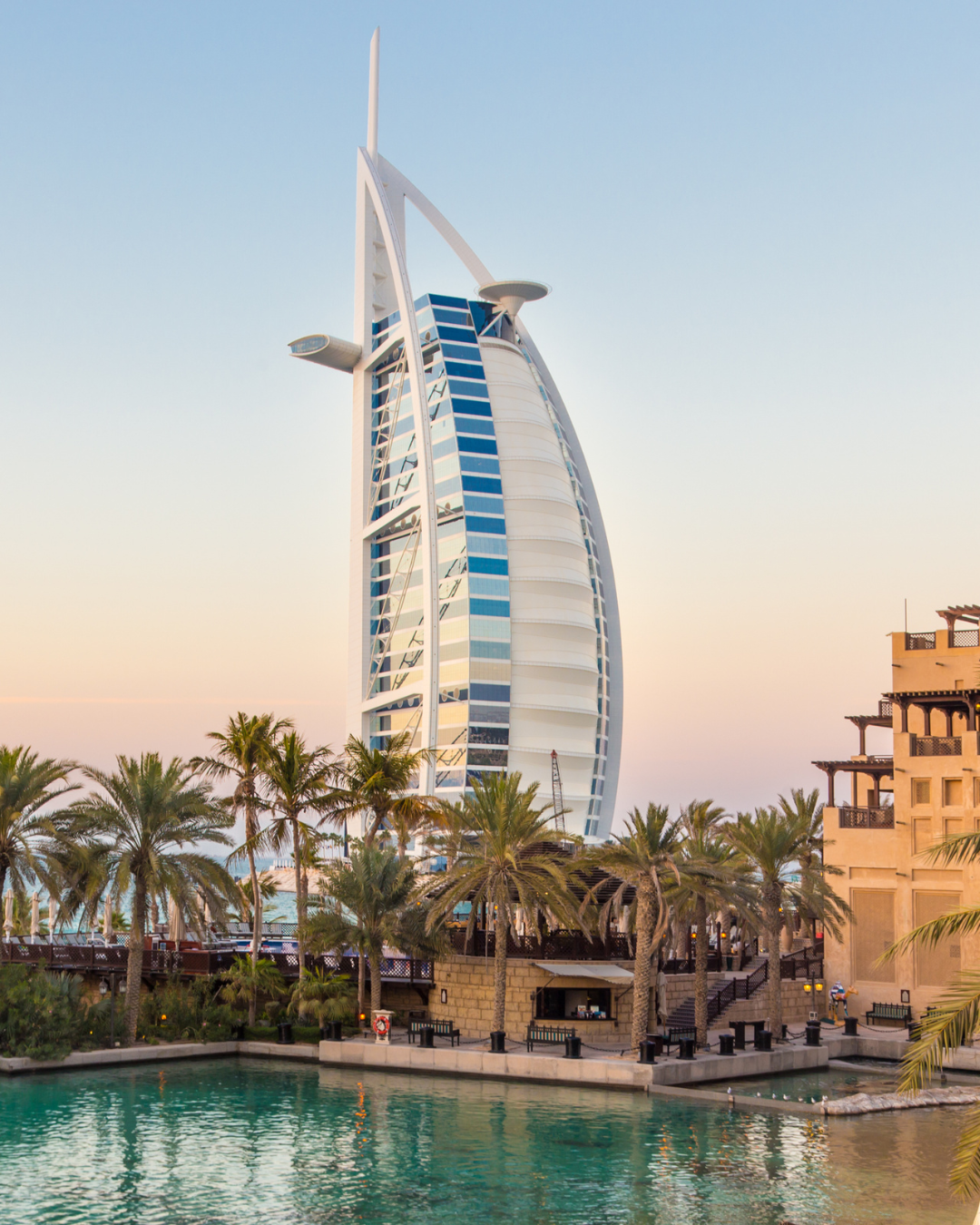
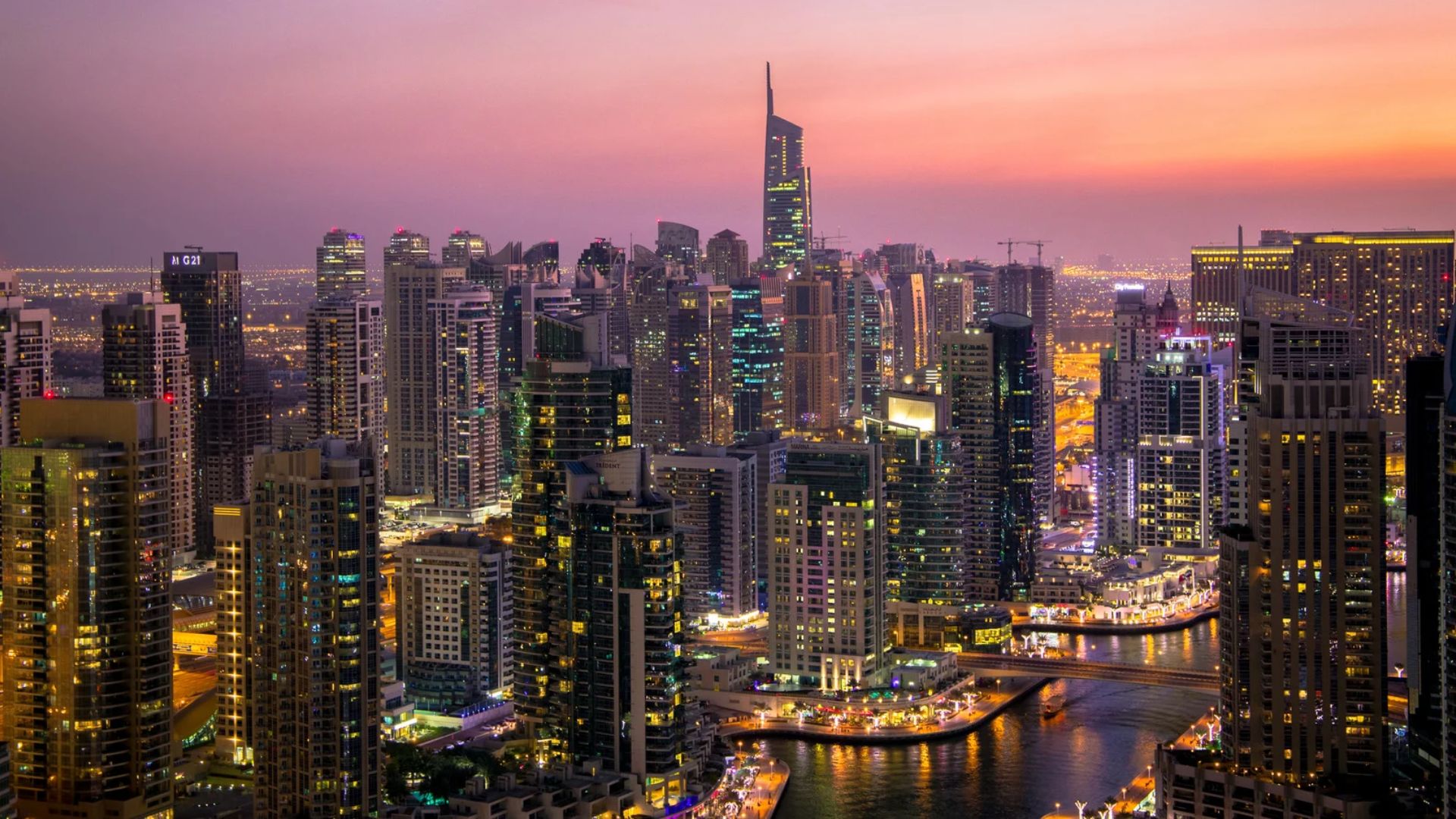
The most noticeable difference is definitely speed. In Dubai, and more generally across the GCC countries, decision-making and operational timelines are often extremely fast: the different phases of a project move forward in parallel and require a constant ability to adapt. Compared to European processes, which tend to be more sequential, this approach demands flexibility, pragmatism, and the ability to rapidly reprioritize.
I have been working in luxury retail for about thirty years, and this experience allows me to observe these differences with a broad perspective. The industry has changed profoundly: today, we are no longer simply designing a store, we are designing an experience. In the Middle East, this evolution is particularly evident and manifests itself very immediately.
I have also learned how decisive multicultural teams are. Diversity in backgrounds and sensibilities makes it possible to better read the local market, prevent misunderstandings, and develop more comprehensive and thoughtful solutions.
How important is understanding the local culture to developing a successful project?
It is fundamental. You cannot transfer a European model to a different context and expect the same results. You need to understand how people experience spaces, what their habits and expectations are, and how professional relationships are built. At the same time, it is essential to know local customs, cultural codes, and the appropriate ways to interact with clients, partners, and authorities.
In luxury retail, a project must maintain the brand's recognizable international identity, while also knowing how to engage in a dialogue with the local context. A multicultural team facilitates this balance by bringing different perspectives together and creating an effective dialogue between the brand, the client, and the territory.
What are the most complex technical or bureaucratic challenges that an architecture firm has to learn to manage outside of Europe?
The main challenge is navigating different regulations, approval procedures, and technical requirements. In the United Arab Emirates and other GCC countries, each state, city, authority, or developer may adopt specific procedures and standards. Therefore, it becomes essential to know local regulations, building and fire safety requirements, permitting processes, and professional practices.
In Dubai, you deal with authorities, malls, developers, landlords, and specialized consultants, often involved simultaneously on the same project. For this reason, building a solid local network and relying on qualified consultants is crucial. A good project must not only be interesting from a creative standpoint: it must be approvable, feasible, and consistent with the operational context. It is at this stage that the quality of the work is truly measured.
Does "Made in Italy" continue to be an attractive plus for international clients?
Yes, without a doubt. "Made in Italy" continues to evoke design, quality, attention to detail, refined materials, and craftsmanship. In the luxury sector, it remains a recognized and appealing value, though today it can no longer be just a label.
After thirty years in luxury retail, I believe the true Italian value lies primarily in a culture of design: the ability to work on details, proportions, materials, and spatial quality. Abroad, this sensibility is still highly appreciated, provided it knows how to engage with the market in which it operates.
It is important to understand the brand's identity and standards in order to translate them into a project that aligns with the local context. Italian design sensibility must therefore be integrated with concrete knowledge of local regulations, culture, and market needs.
What has surprised you most since living and working in Dubai?
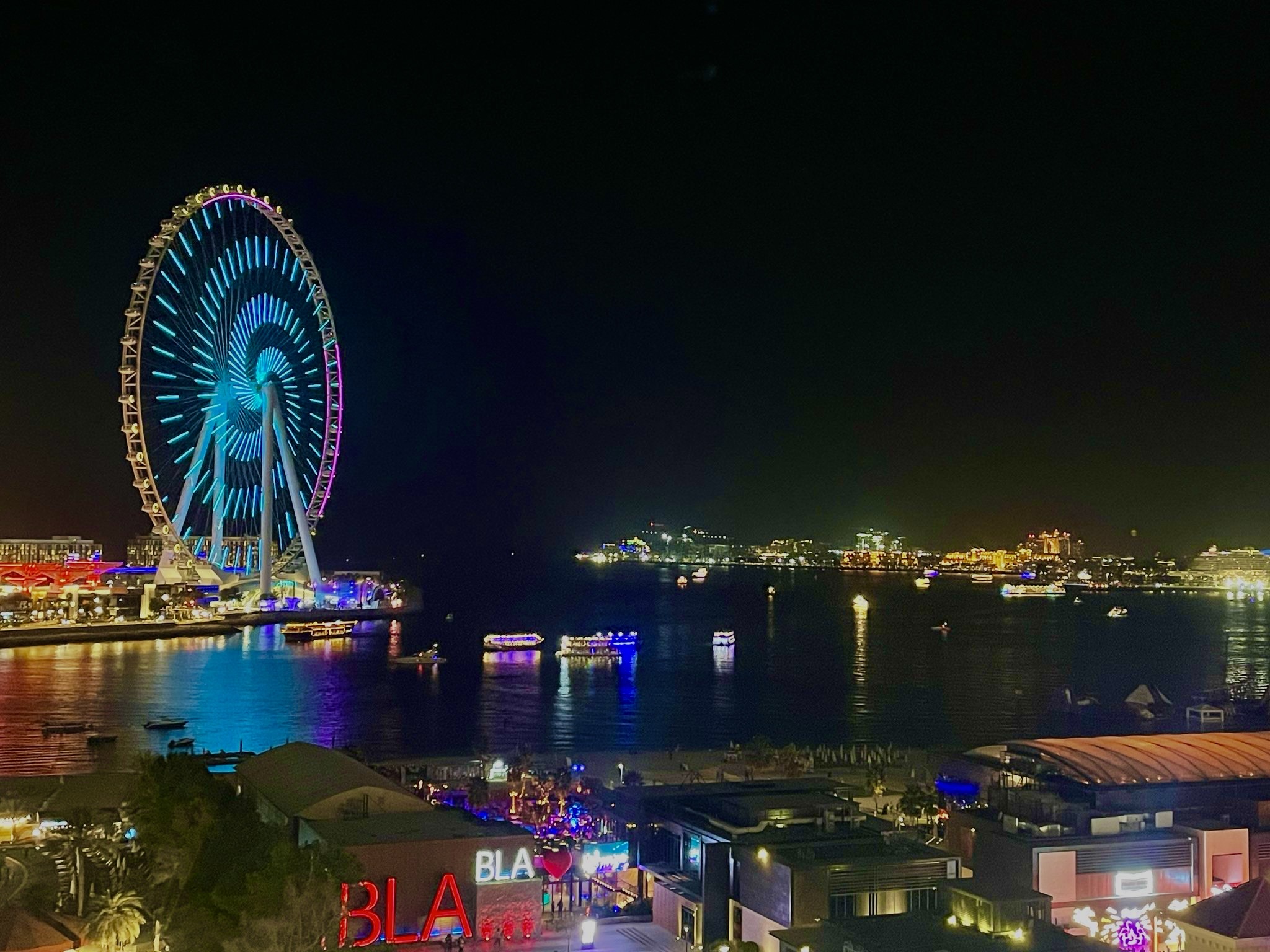
I have lived in Dubai for twelve years, and what continues to surprise me is the speed at which the city manages to reinvent itself. I have witnessed an extraordinary transformation firsthand—not only from an urban perspective, but also in how retail, hospitality, and the overall spatial experience are conceived.
Over these years, I have seen the retail world grow remarkably. New malls have emerged and, above all, new models of commercial destinations—increasingly sophisticated and integrated with hospitality, food, culture, entertainment, and lifestyle. Projects like The Grove in Abu Dhabi are interesting precisely because they show how the traditional concept of a mall is evolving into places to live and experience, rather than simply spaces to visit for shopping.
This continuous transformation is one of the aspects I find most fascinating about living and working here. At the same time, I have learned how important it is to distinguish Dubai from other Gulf countries and cities: every market has its own identity, regulations, customs, and ways of operating.
What aspect of your work still excites you today?
After thirty years in luxury retail, what continues to excite me is the very fact that I never consider it a repetitive job. Retail evolves alongside society, cities, and the way people live and consume. Today, this transformation is perhaps even faster than when I first started.
I am passionate about following the entire journey: starting from an idea, building the right team, coordinating diverse skills and cultures, tackling unexpected challenges, and ultimately seeing a space become real.
I also find the human and entrepreneurial side of my work very stimulating: meeting new clients, understanding their needs, building relationships of trust, and bringing the right people together to achieve a common goal.
Perhaps this is precisely what continues to motivate me after so many years: every project is different from the last, and there is always something new to learn.